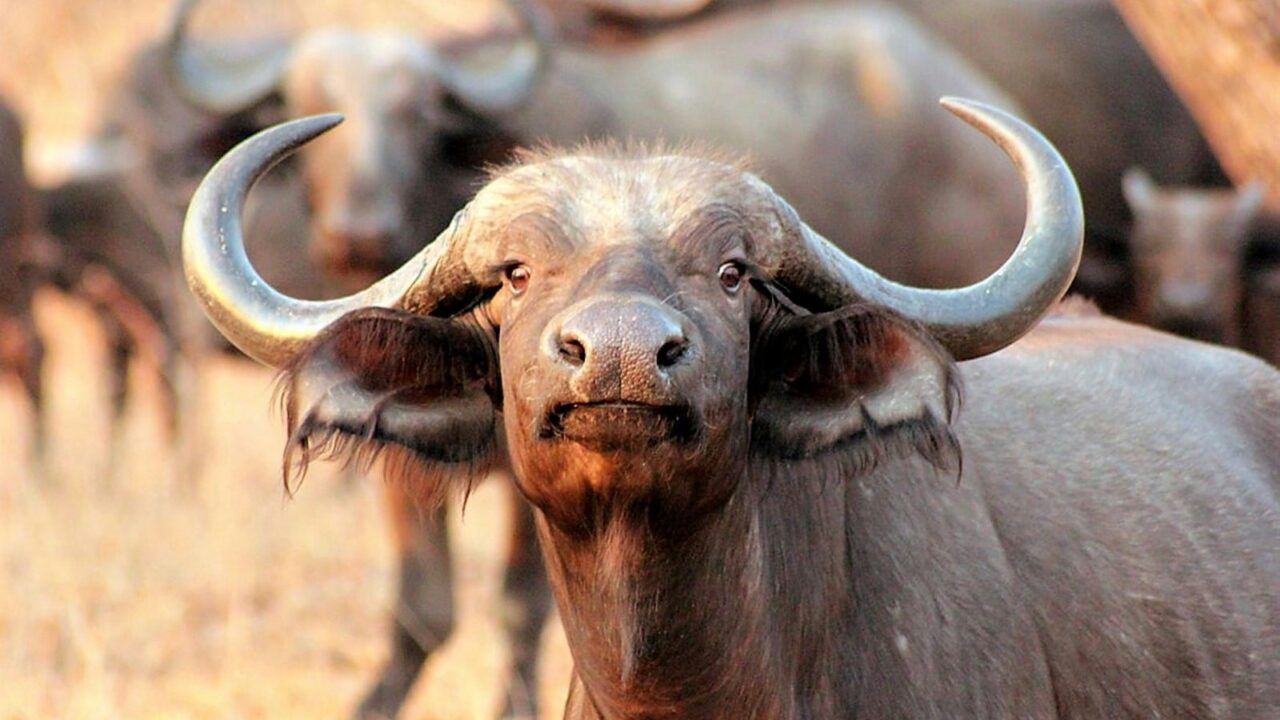
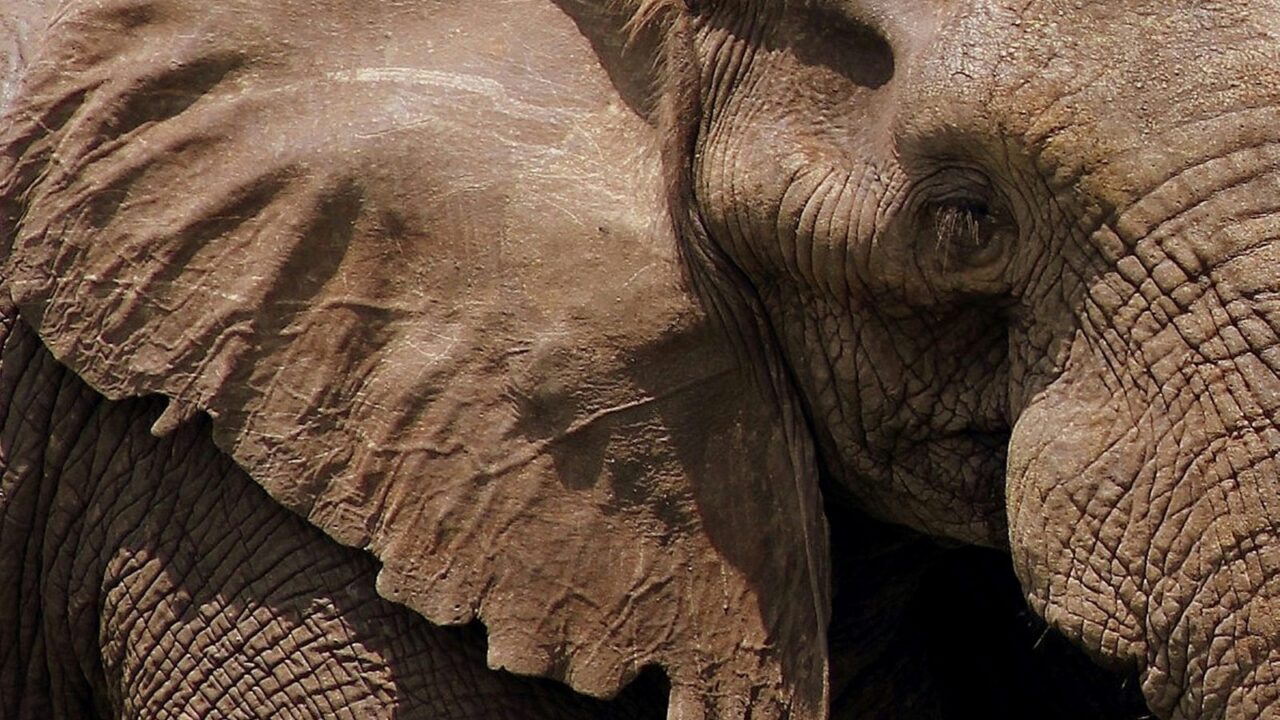
Liwonde National Park is a true conservation success story following numerous translocation and reintroduction projects with cheetah, lion and wild dog all introduced into the park in recent years. Not to mention the one of the largest international black rhino translocations in history. These efforts have crated a haven for wildlife and a raw safari experience unlike anywhere in Africa.
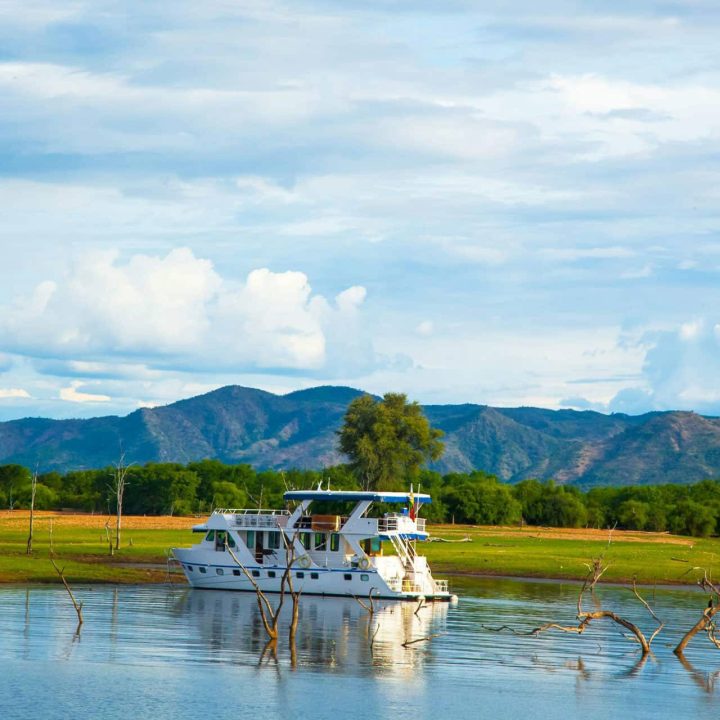
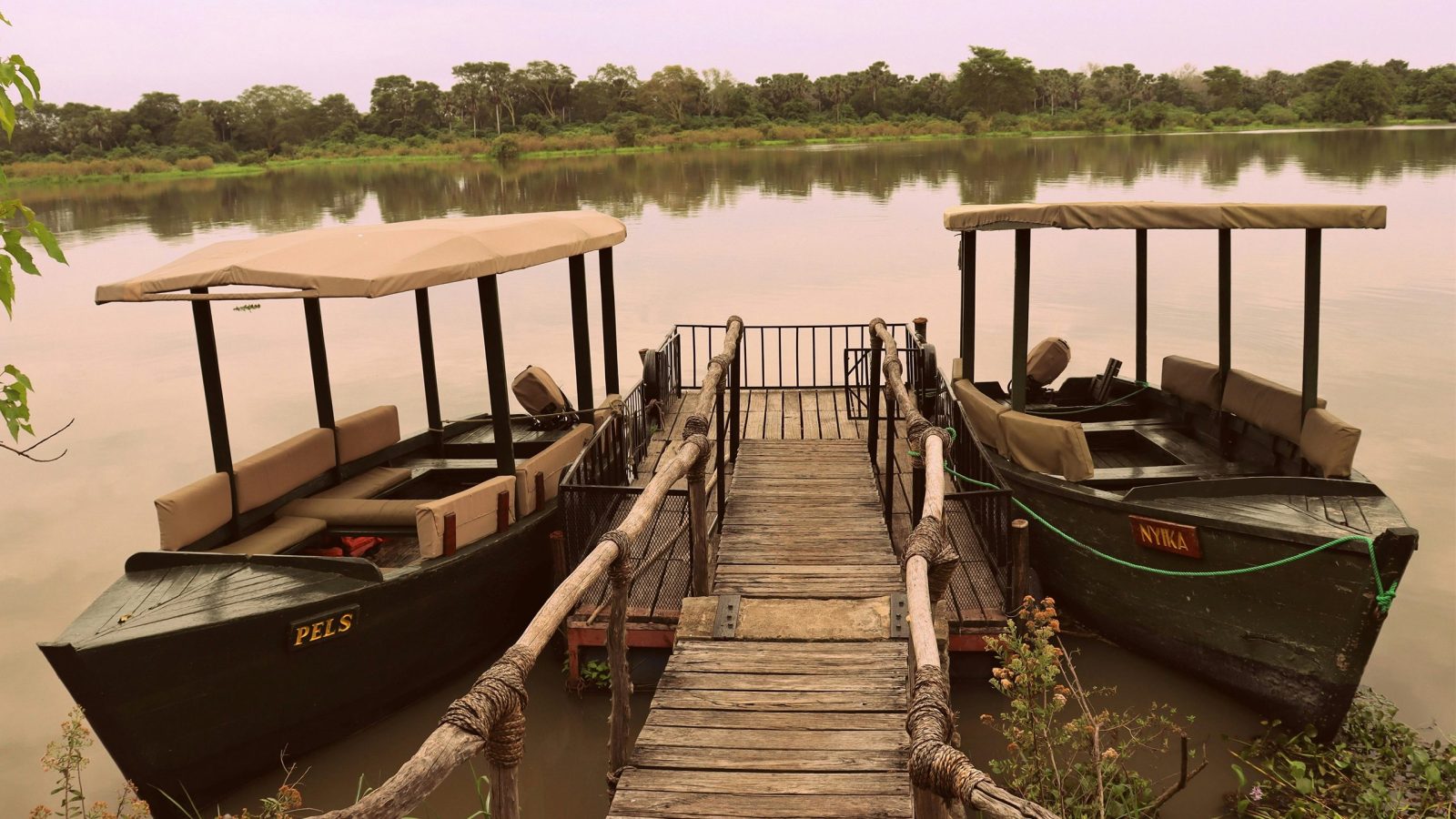
Nestled south of Lake Malawi, Liwonde National Park boasts nearly 55,000 hectares of unspoilt wilderness fed by the Shire River. A safari in Liwonde offers a variety of activities with waking safaris, boating, and classic game drives all on offer.
Although smaller than some of Malawi’s other parks, Liwonde is still a popular choice for wildlife enthusiasts – thanks to its abundance of game and great river safaris. The park’s topography spans wetlands, riverine forests, lakes and baobab-dotted plains, with an equally impressive diversity of wildlife. Cheetahs were reintroduced in 2017, followed by lions in 2018. The park is also the site of one of the largest international black rhino translocations ever, with 17 black rhinos moved from South Africa in 2017.
Liwonde National Park’s wildlife extends to around 400 bird species, with unique species such as palm-nut vultures, Pel’s fishing owls and Lilian’s love birds.
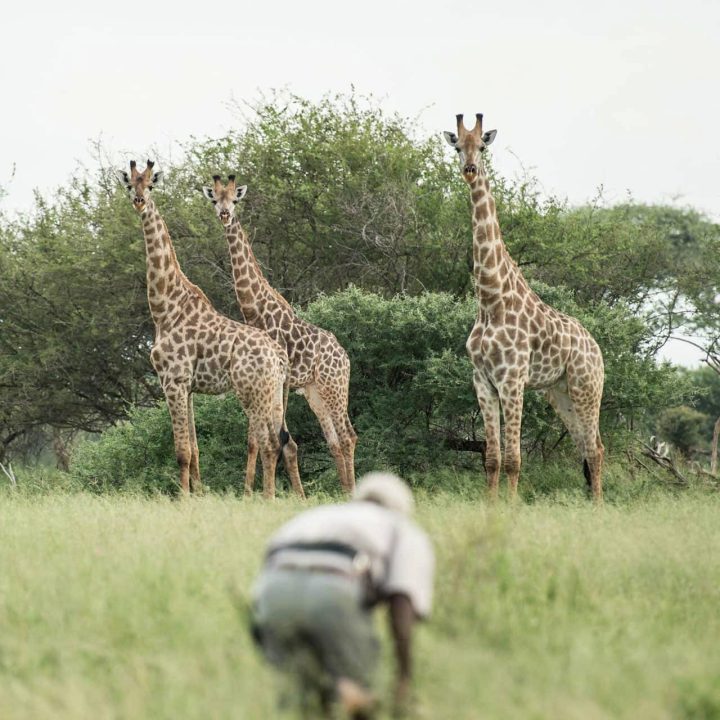
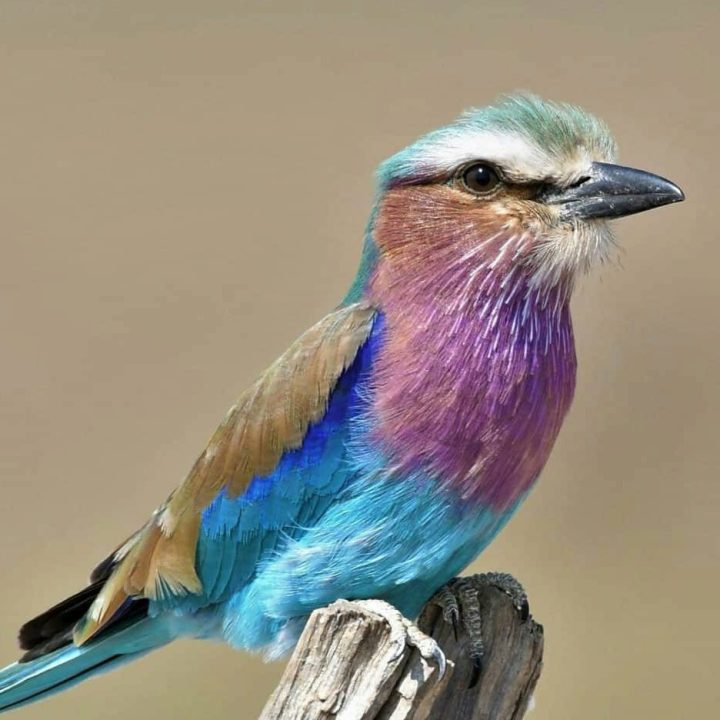

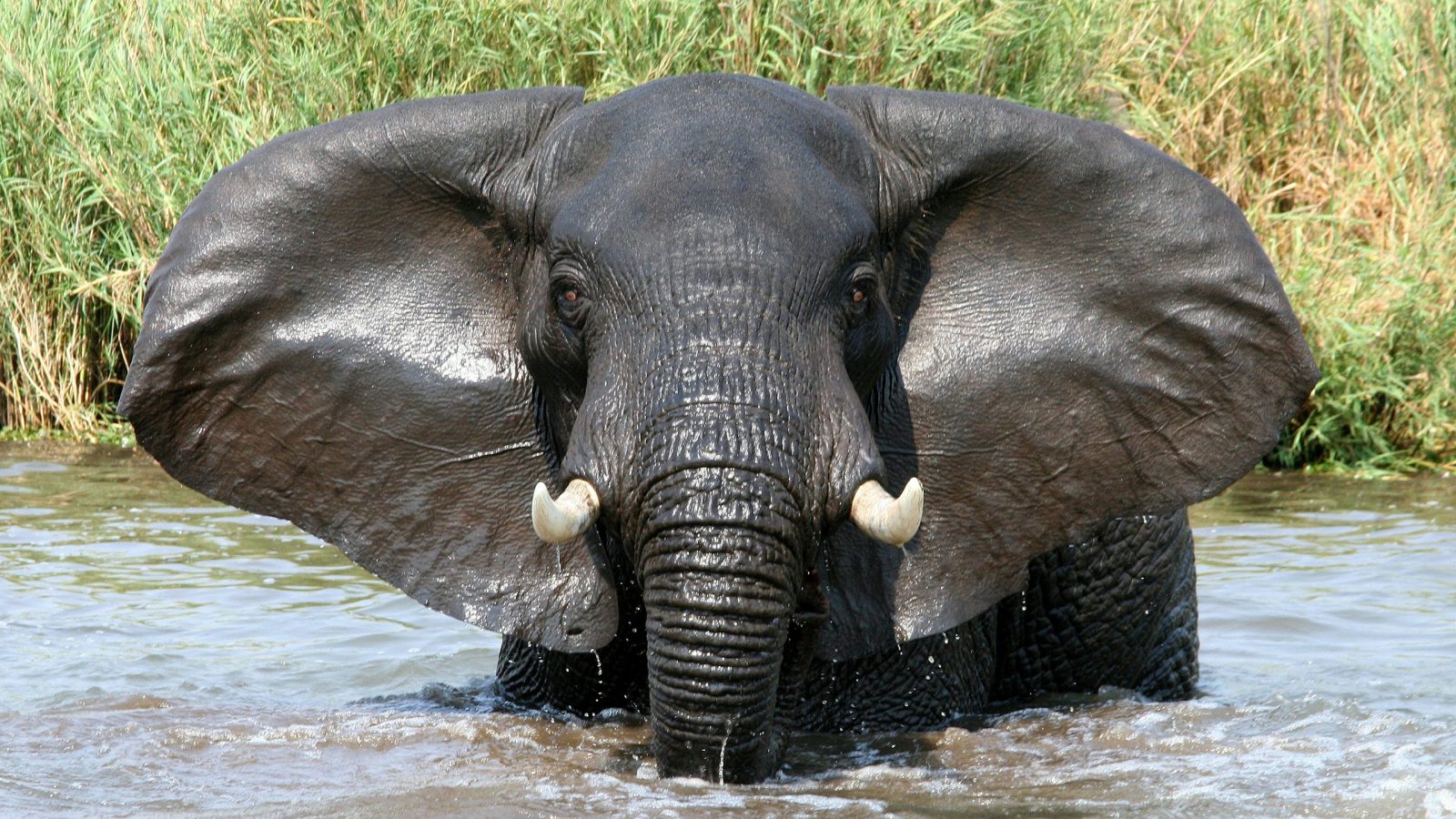
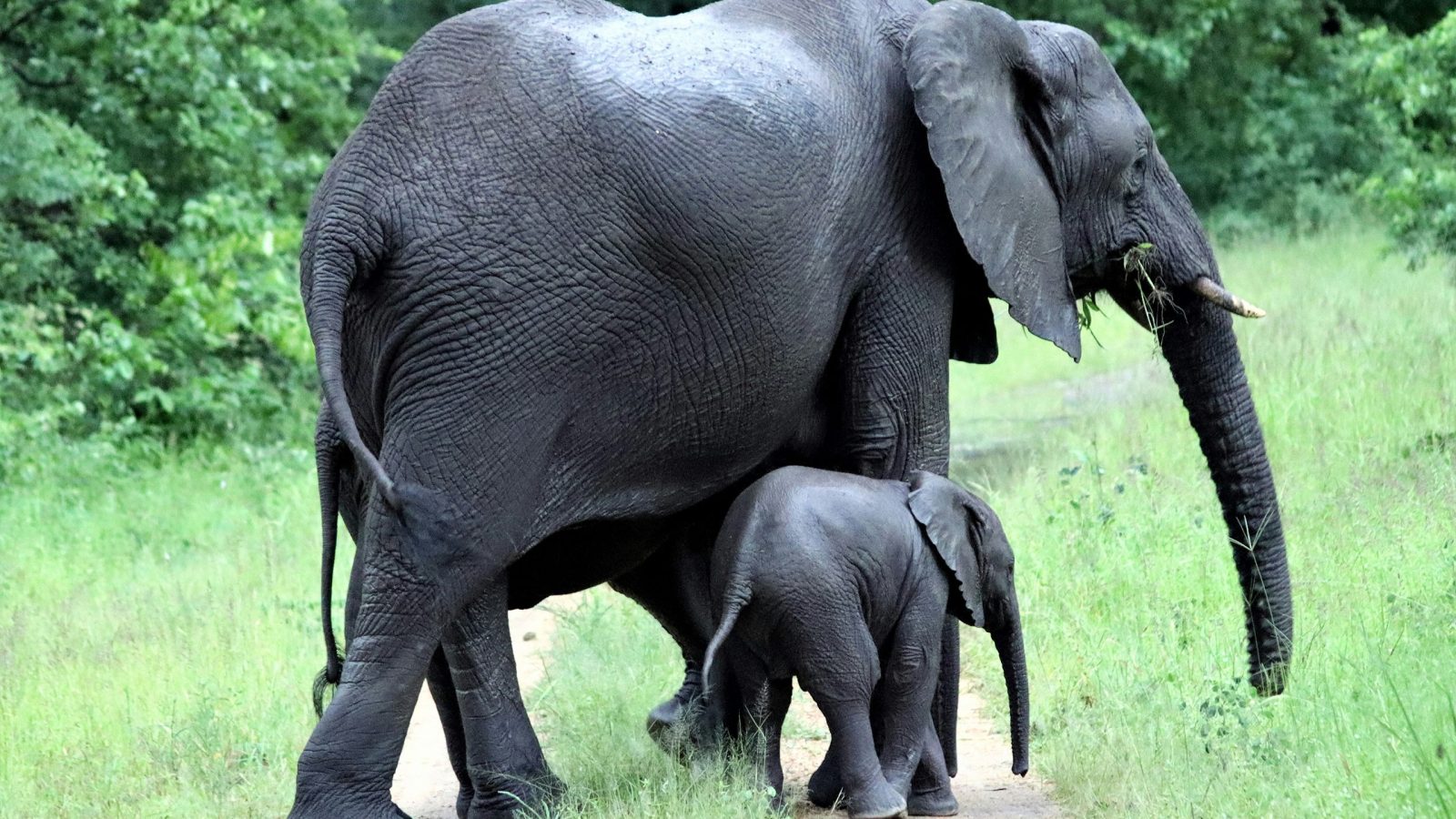
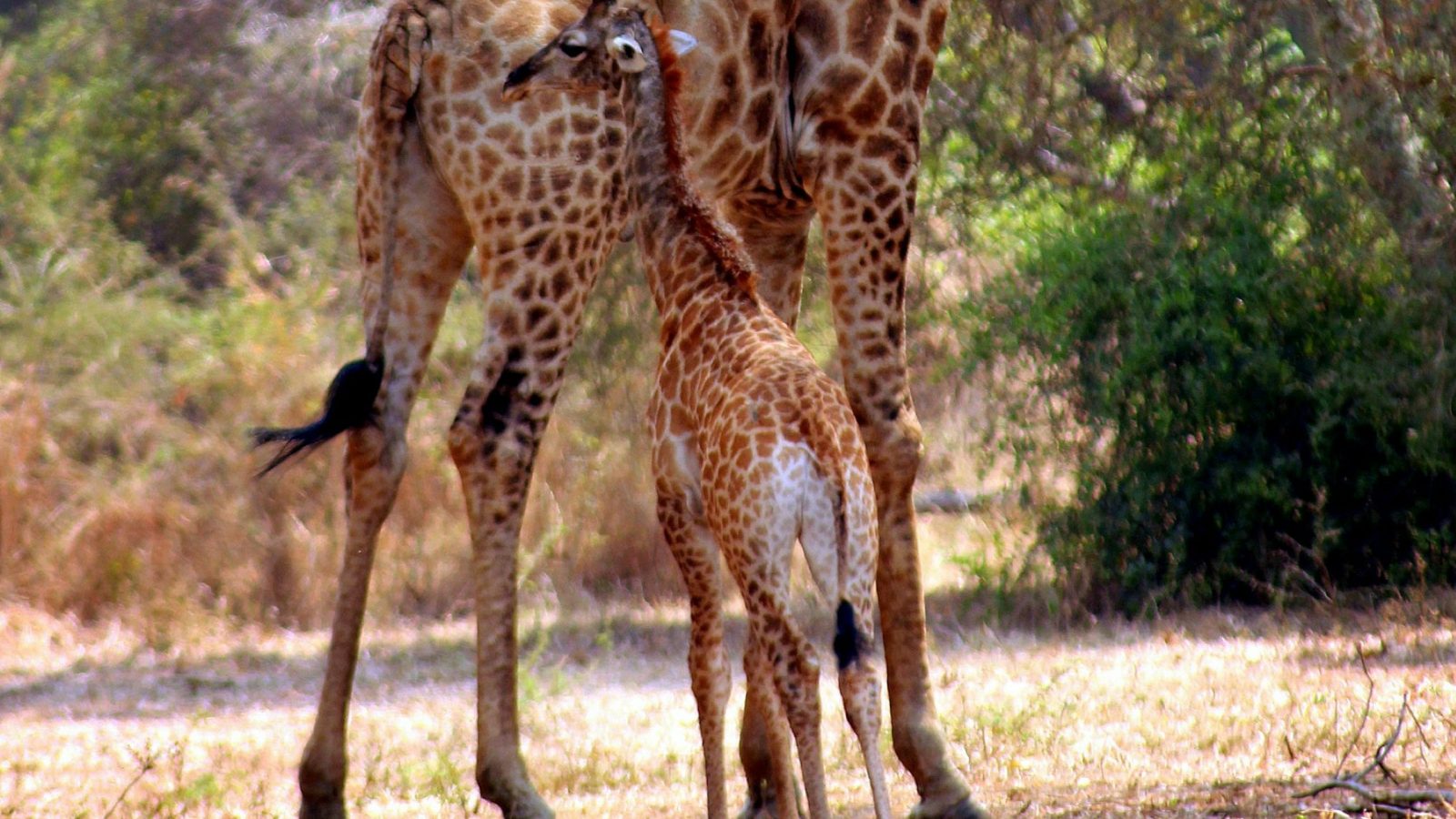
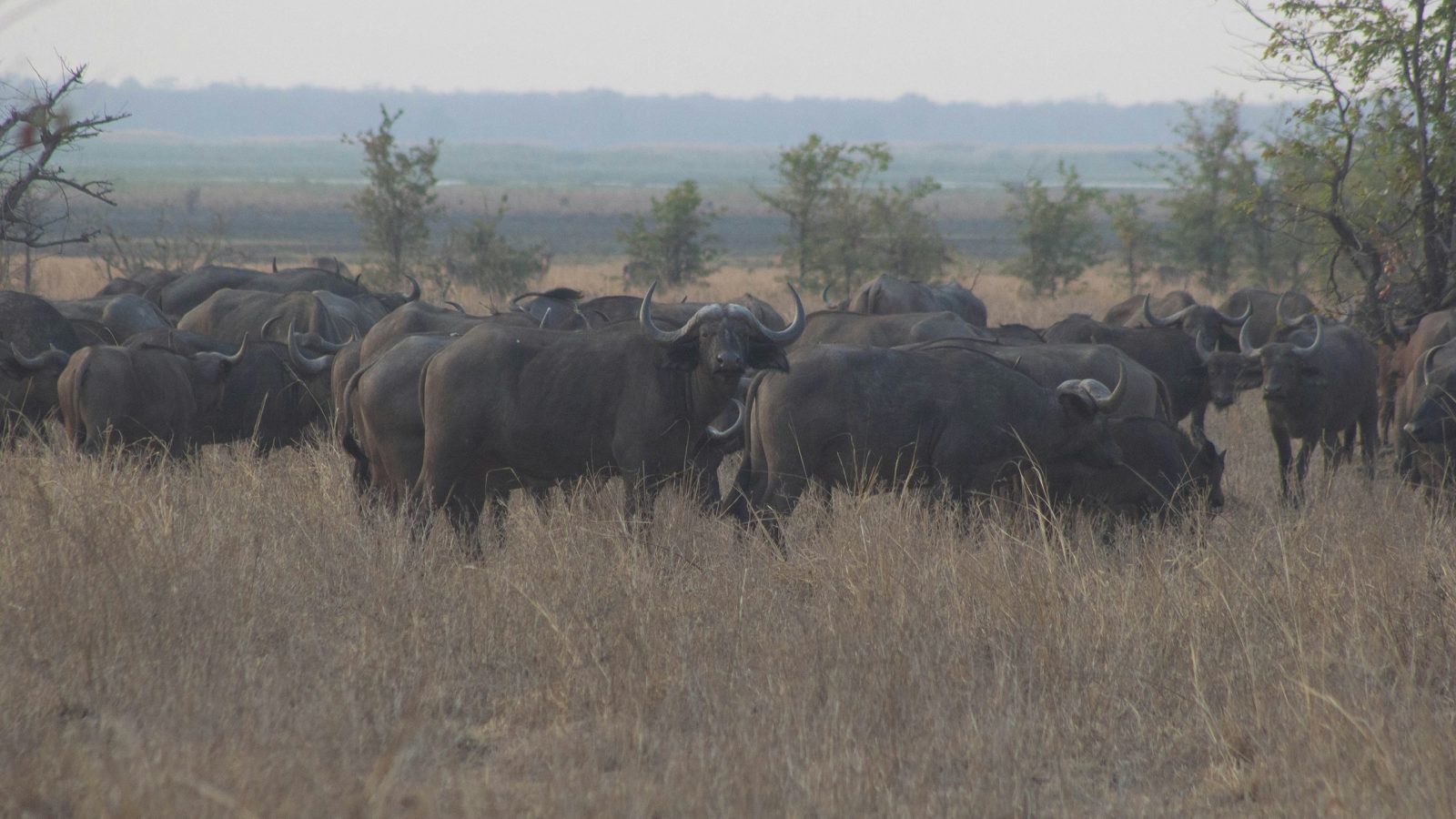
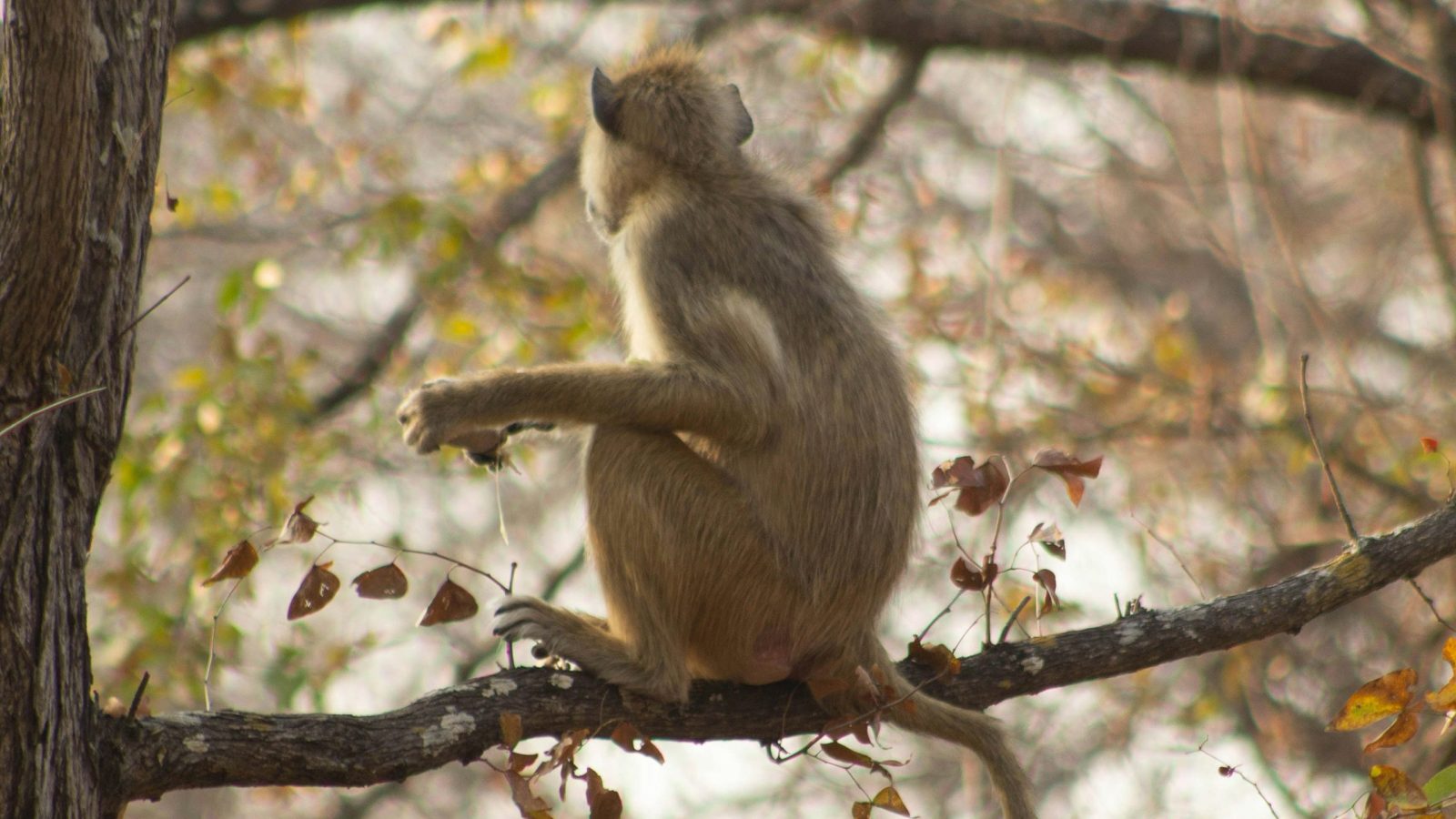
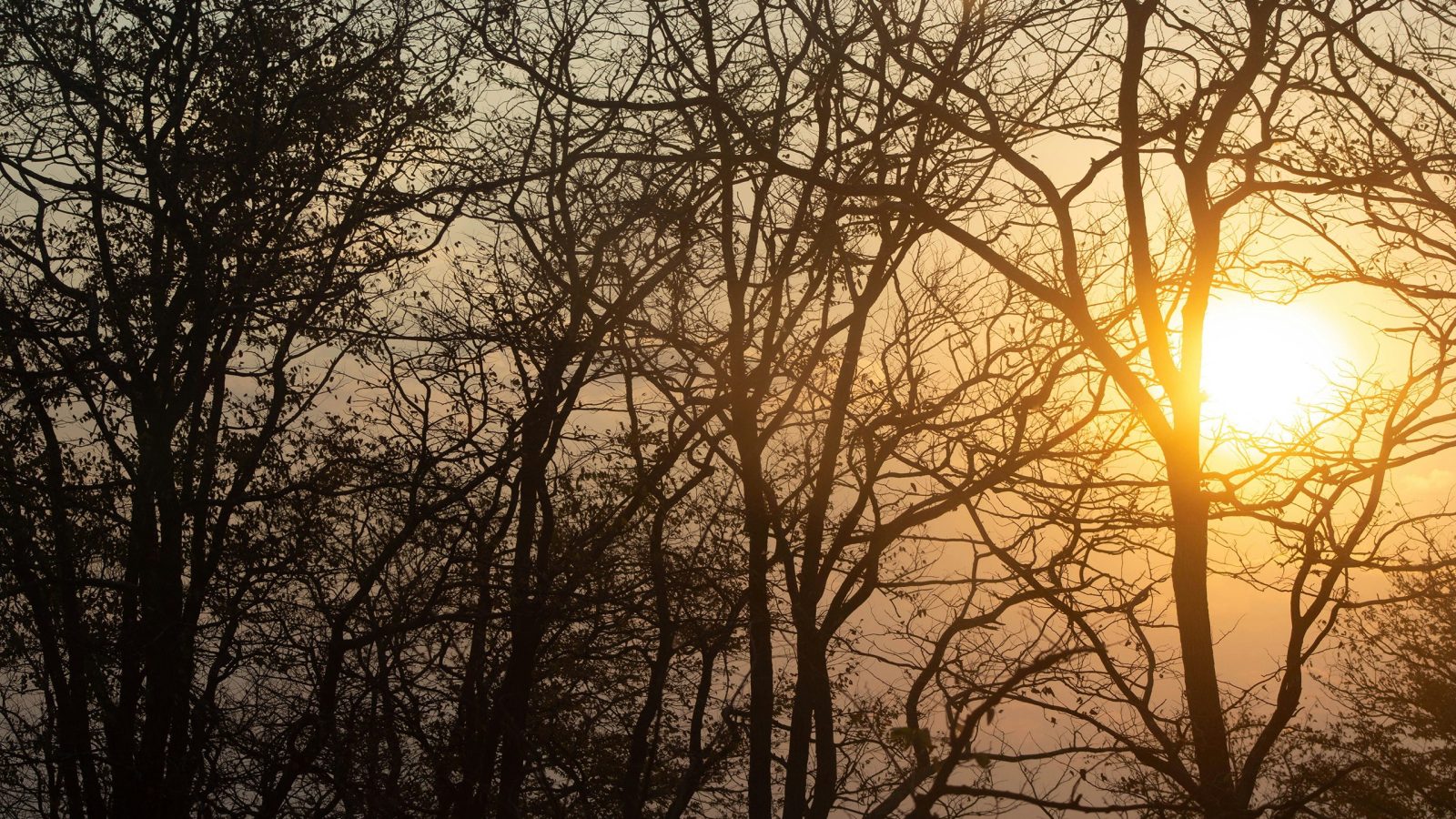
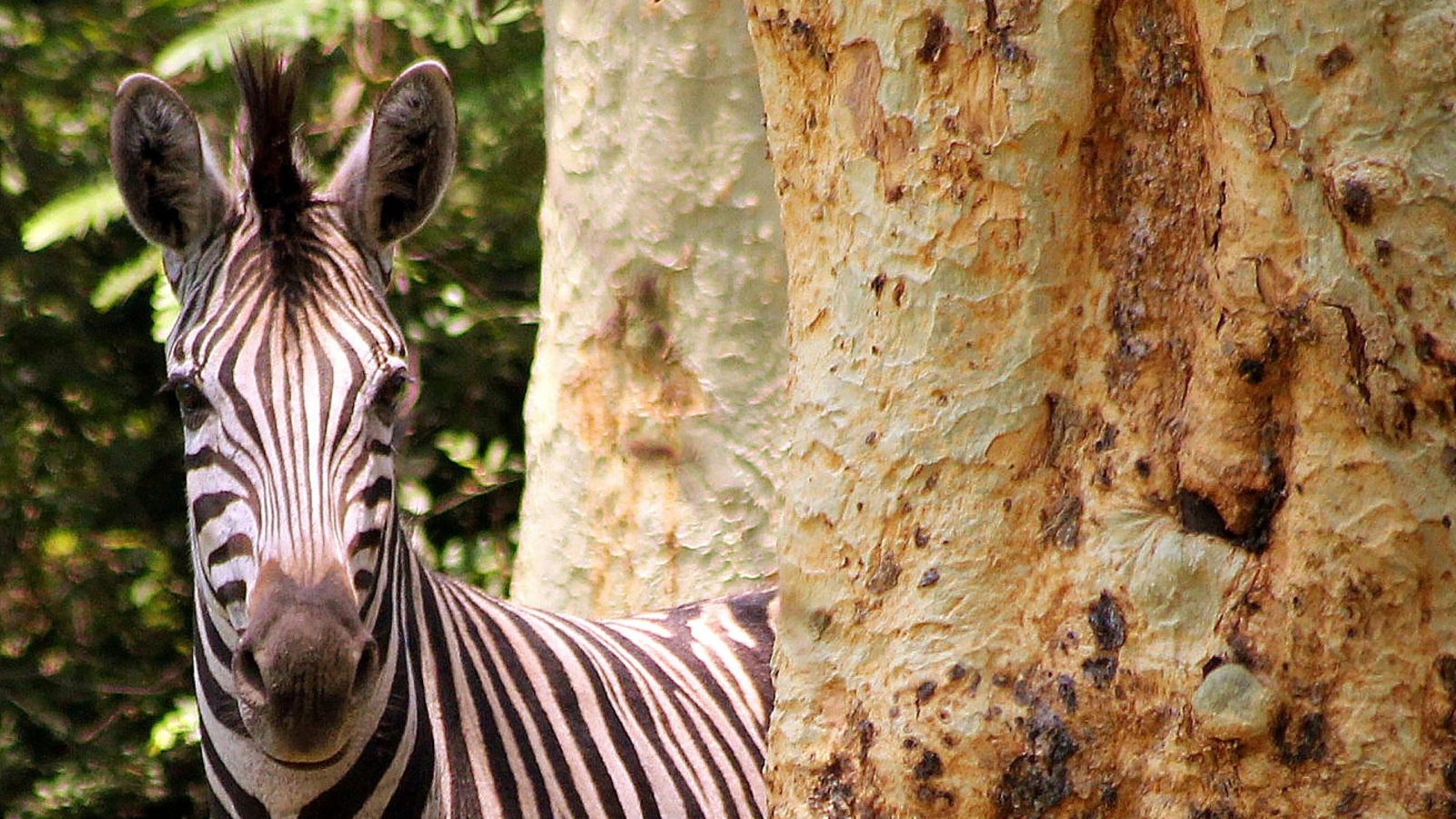
Liwonde National Park Gallery

We’re open 7 days a week
If you’ve got a question about an African safari or beach holiday, we’re happy to help.
Contact UsSign up to our newsletter for updates & announcements
Follow us on social
Connect with us for safari inspiration, advice and recommendations!