


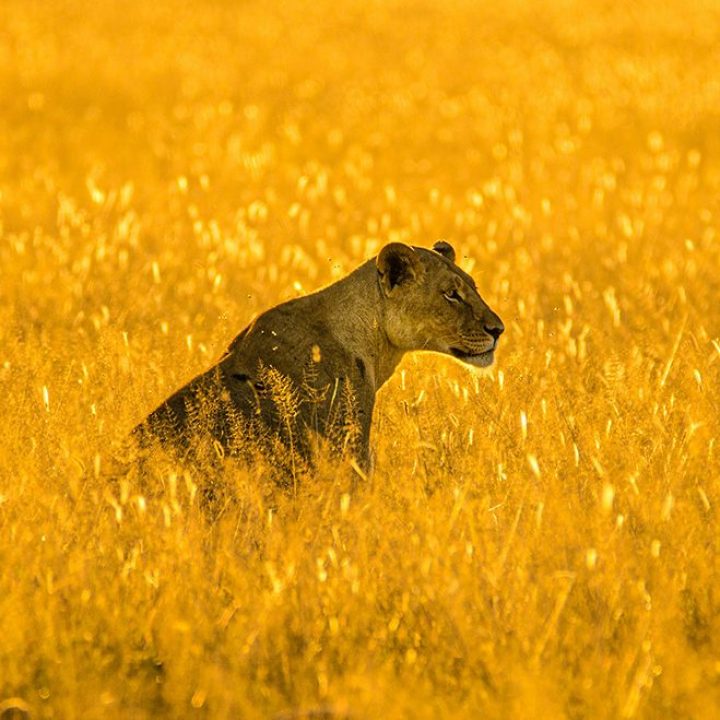
A lesser-known treasure, the Tuli Block in Botswana is an uncrowded and topographically beautiful slice of parks and private reserves on the border of South Africa, boasting fantastic horseback safaris and plenty of wildlife.
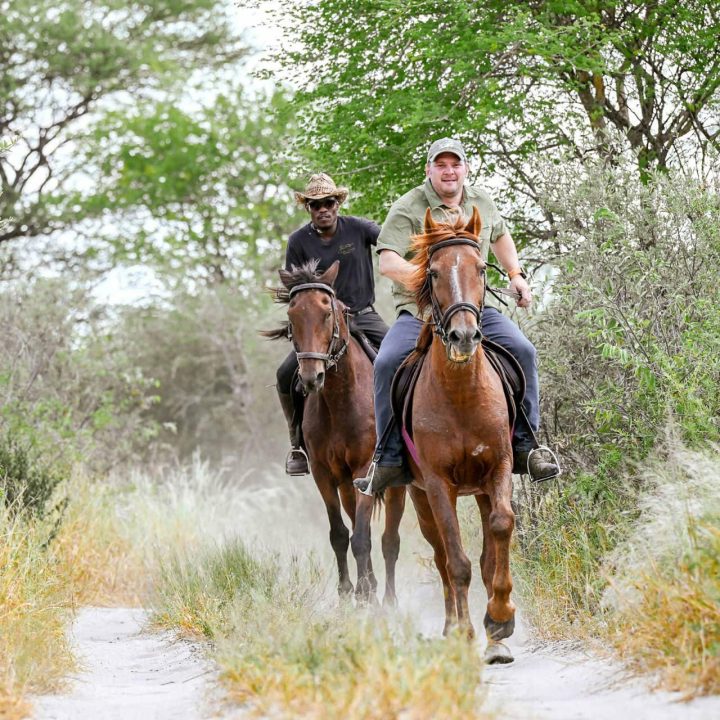
East of Botswana, along the border of South Africa and on the banks of the Limpopo river is a narrow strip of land that is often overlooked. However, the Tuli Block is a well-kept secret, a hop and a skip away from South Africa, the area boasts outstanding wildlife, wide open spaces punctuated by rocky outcrops or ‘koppies’ and baobabs, notoriously cheeky elephants, as well as some of the very best horseback safaris around.
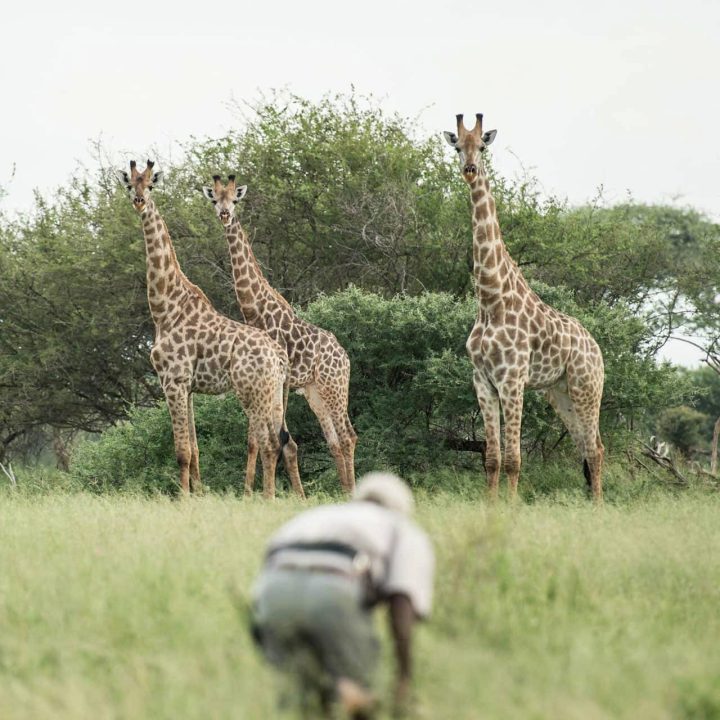
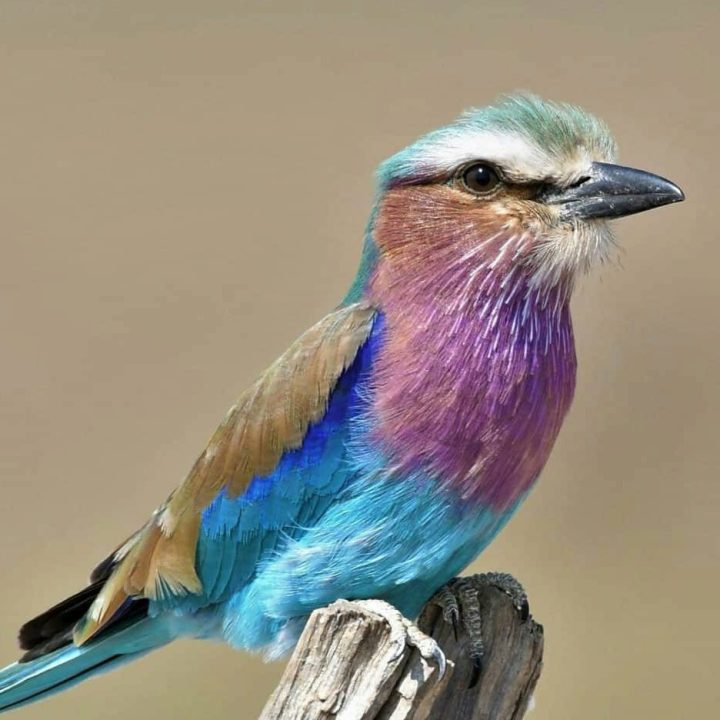
The top reserves are the Mashatu Game Reserve and Northern Tuli Game Reserves, which encompass around 3 private reserves, all together stretching around 720 km² and making up one of the largest private game reserves in Southern Africa. Each is home to a variety of game, including giraffe, eland, elephants, and other plains game such as zebra and wildebeest. The reserves also boast great populations of cheetahs, leopards, brown and spotted hyenas as well as lions – including Kalahari Black Maned lions. Unique creatures can also be seen in the area, such as the African wild cat, honey badgers, aardwolf and aardvarks. Twitchers will also likely get their fill thanks to over 350 bird species including the rare Pel’s fishing owl, the colourful lilac-breasted rollers and Africa’s heaviest flying bird – the Kori Bustard.

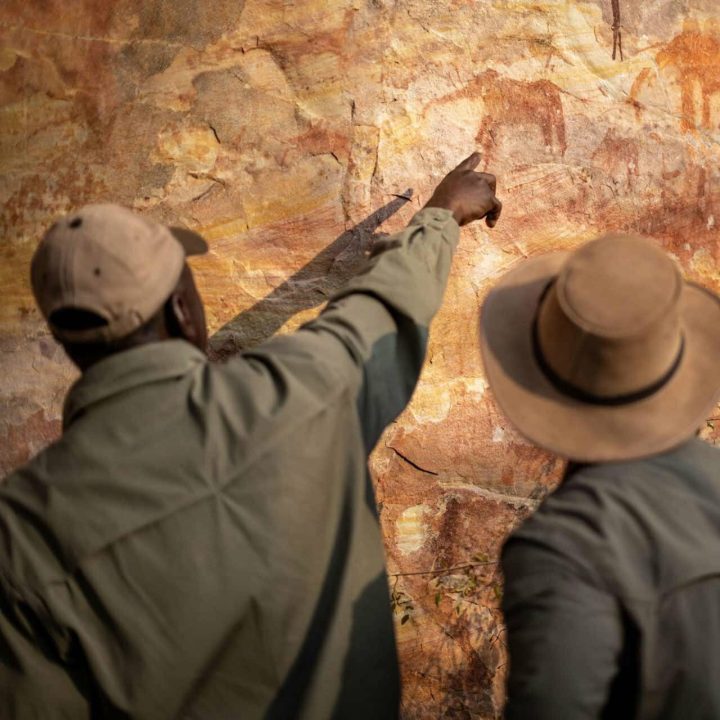
Tuli Block Gallery



We’re open 7 days a week
If you’ve got a question about an African safari or beach holiday, we’re happy to help.
Contact UsSign up to our newsletter for updates & announcements
Follow us on social
Connect with us for safari inspiration, advice and recommendations!