
A Guide to Luxury Botswana Safaris: The Okavango, Chobe and the Salt Pans
By Neil Peacock · 10 November 2026 · 9 minute read
Welcome to Botswana, where the wild still sets the terms. A river that never reaches the sea spreads into a maze of channels and palm islands. Elephants gather in their thousands along the banks of the Chobe. Out on the salt pans, the horizon is so flat and empty that the stars seem to start at your feet.
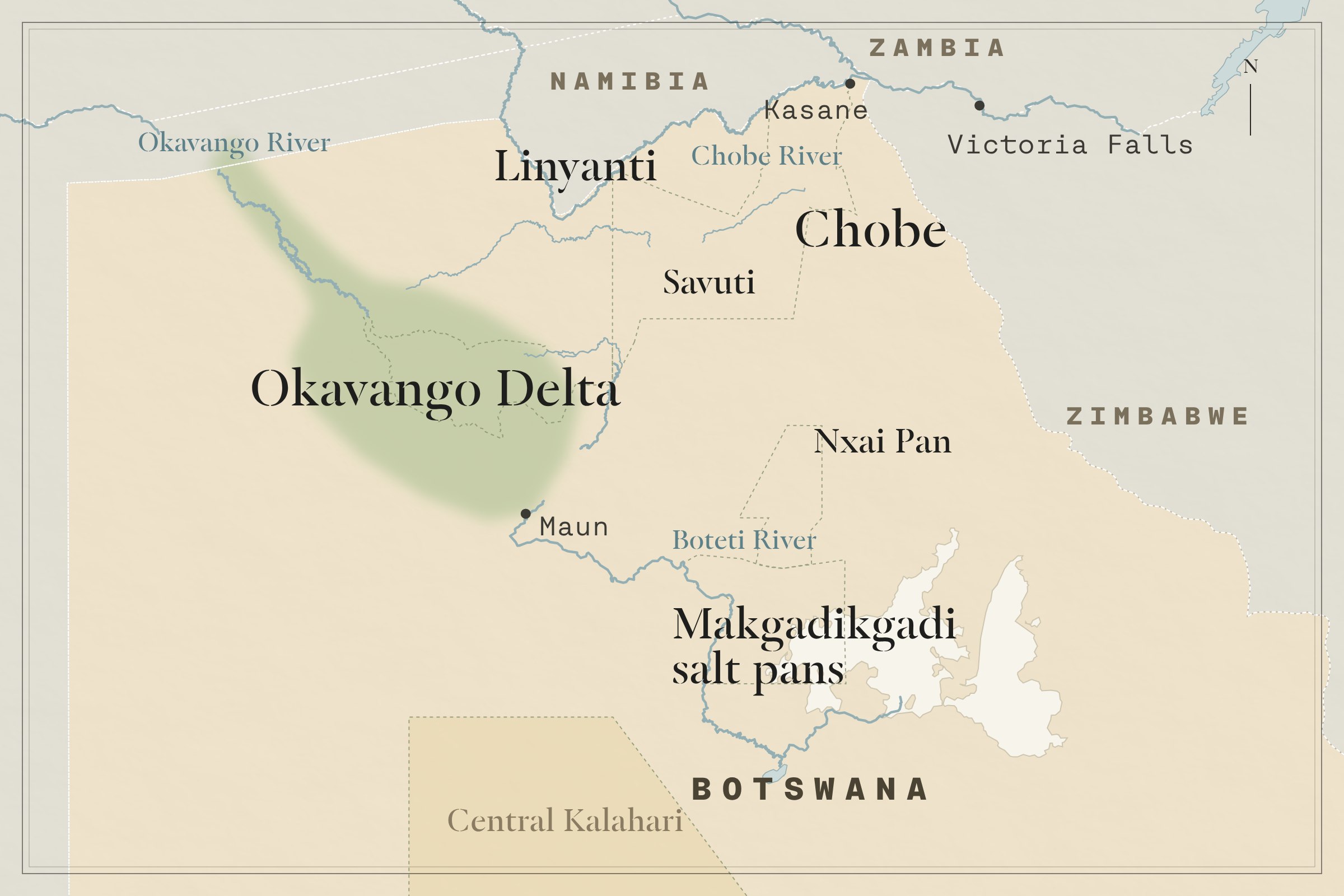
This Botswana safari guide is for anyone planning a first visit. It explains the three great regions, the Okavango Delta, Chobe and the Makgadikgadi salt pans, why each has its own best months, and how to bring them together into one journey.
“Botswana is where I send people who want to feel that the place belongs to the animals. You can go a whole morning without seeing another vehicle, and in the Delta you might not see one all week.”
Alex · The Safari Edit
At a glance
The regionsThe Okavango Delta, Chobe and the Linyanti, and the Makgadikgadi salt pans.
Best monthsMay to October for the Delta and Chobe. December to April for the salt pans and the zebra migration.
Getting thereFrom London via Johannesburg to Maun or Kasane, then light aircraft between camps.
Trip lengthEight to twelve nights covers two or three regions.
Pairs well withVictoria Falls, an hour from Kasane, or Cape Town at the start or end.
In this guideWhy Botswana · The Okavango · Chobe · The salt pans · When to go · Putting it together · Practical
01
Why Choose Botswana for a Safari?
Botswana made a choice decades ago: fewer visitors, smaller camps and more space for wildlife. Much of the north is divided into private concessions, each leased to a handful of camps. Only their guests drive there, so a sighting is usually yours alone.
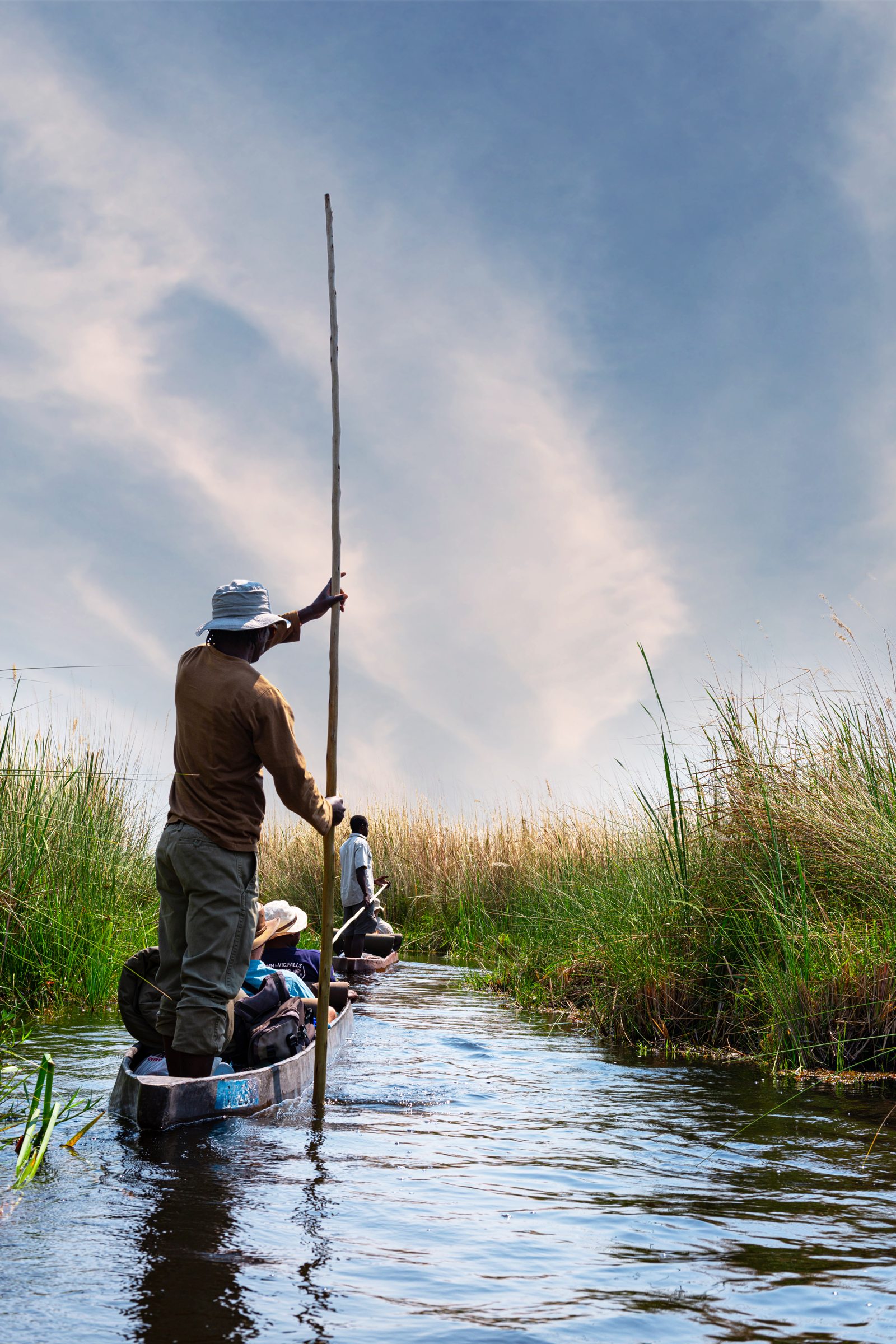
That freedom shapes the safari itself. Depending on the concession, guides can drive off-road to follow a pack of wild dog, take you out after dark with a spotlight, or set off on foot at first light. In the Delta you can glide through the reeds in a mokoro, the traditional dugout canoe, close enough to touch the water lilies.
The camps are small, often eight or ten tents, and the best of them are among the finest in Africa. Because so few people share the land, it is one of Africa’s more expensive countries. It is, though, one of the most rewarding.
Thinking about Botswana? Contact us to arrange your free safari consultation. There is no obligation, and you only pay when you are ready to book. Arrange your free consultation
02
The Okavango Delta: When the Flood Arrives
The Okavango Delta is one of the great natural wonders of Africa. Each year the summer rains fall on the highlands of Angola, more than a thousand kilometres away. The water takes around four months to make its way down the Okavango River, so it reaches the Delta after the local rains have stopped.
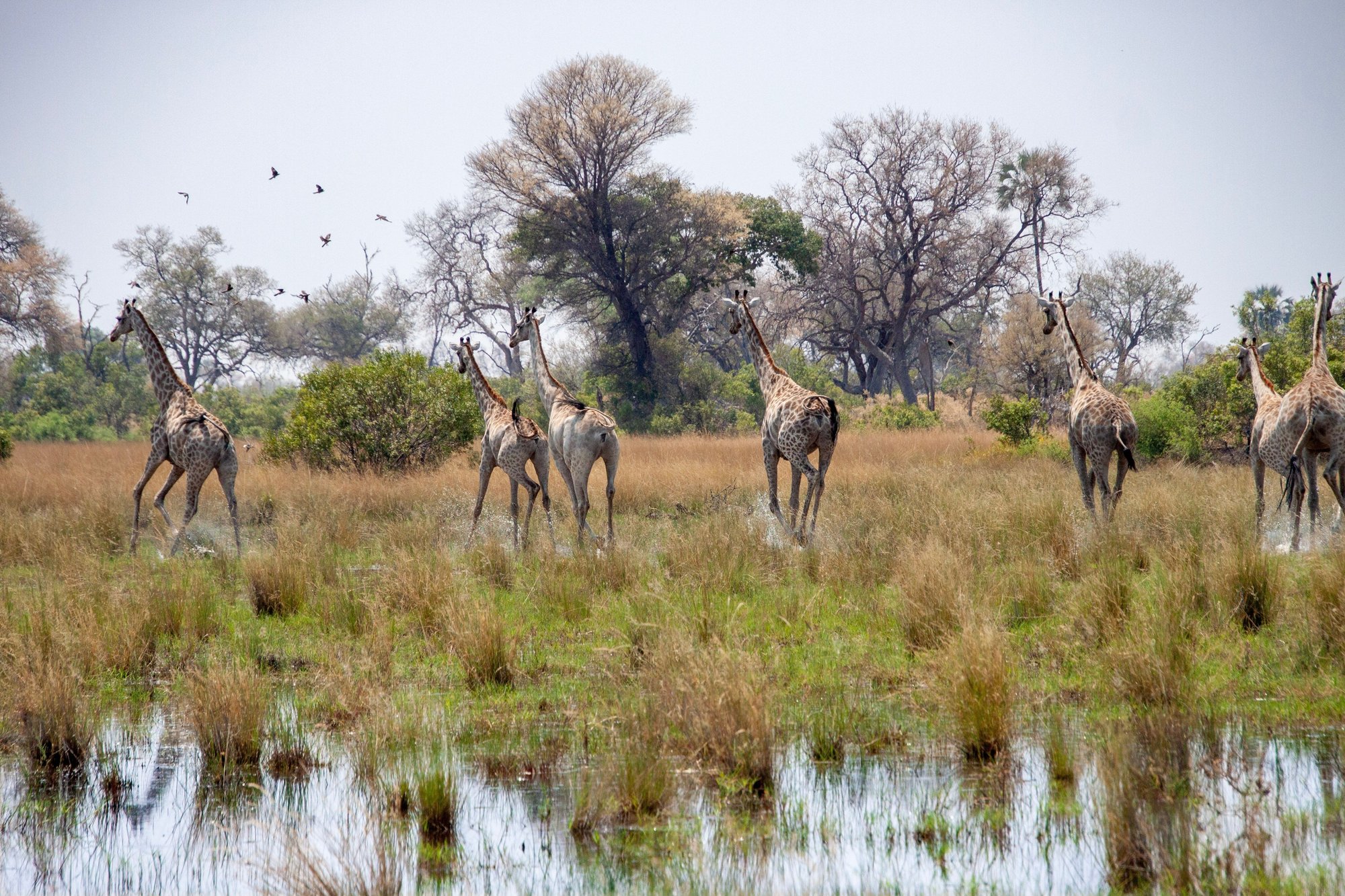
From around April the flood spreads across the fan, and by June to August it is at its height. In the middle of the dry winter, when the land around it is parched, the Delta is full of water. The animals come to it: elephant, buffalo, lion and great herds of lechwe, an antelope that splashes through the shallows.


There are two ways to see it, and the best trips do both. Water camps sit deep in the permanent channels, where you explore by mokoro and motorboat and fall asleep to the sound of reed frogs. Land camps sit on the larger islands and drier edges, where game drives and walks take you to the predators.
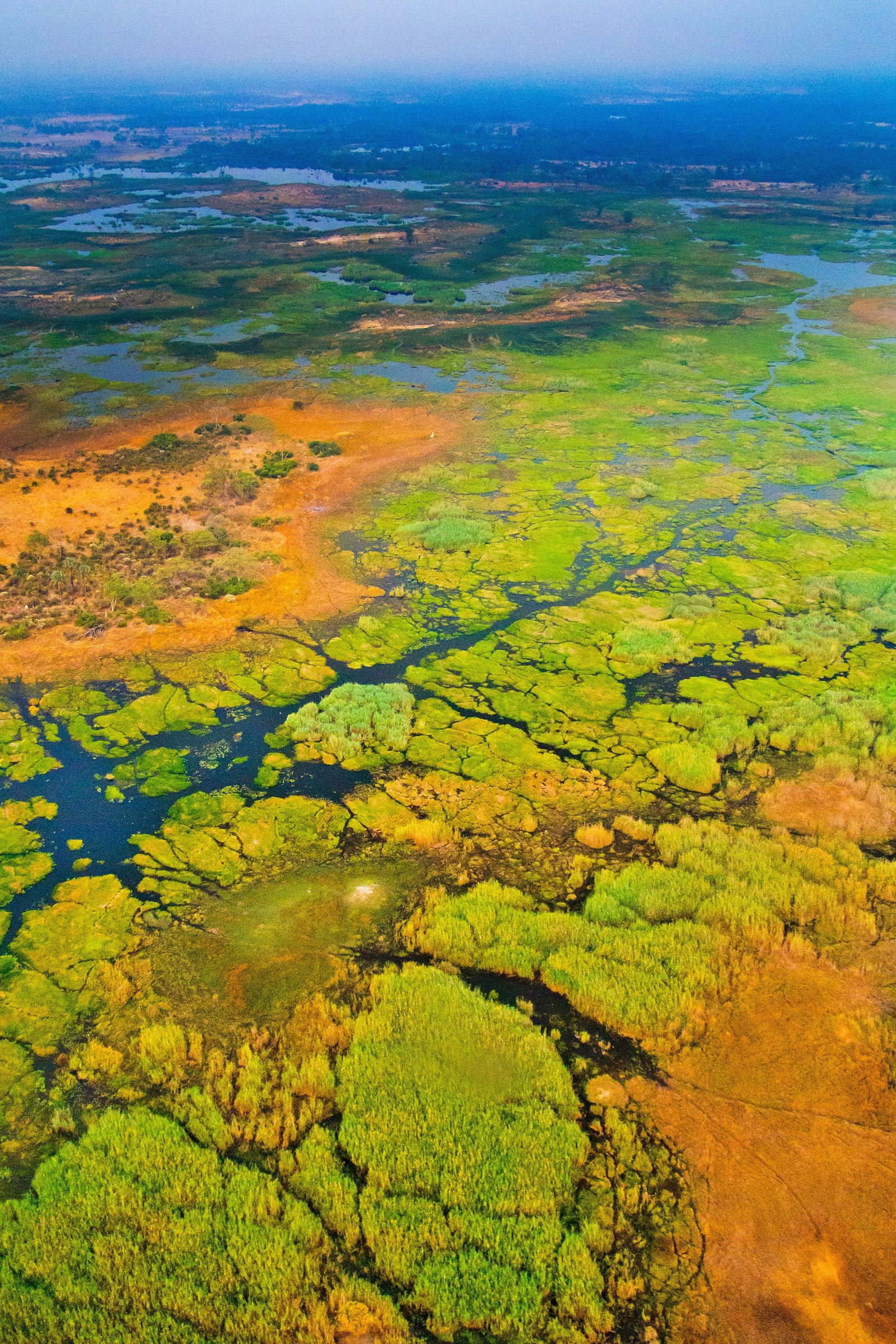
Some of the most celebrated camps are here. Mombo, on Chief’s Island, is known for its predators. Jao and Vumbura Plains mix water and land, and Xigera sits beside a channel in the Moremi Game Reserve. Most are reached only by light aircraft, which gives you your first sight of the Delta from above.
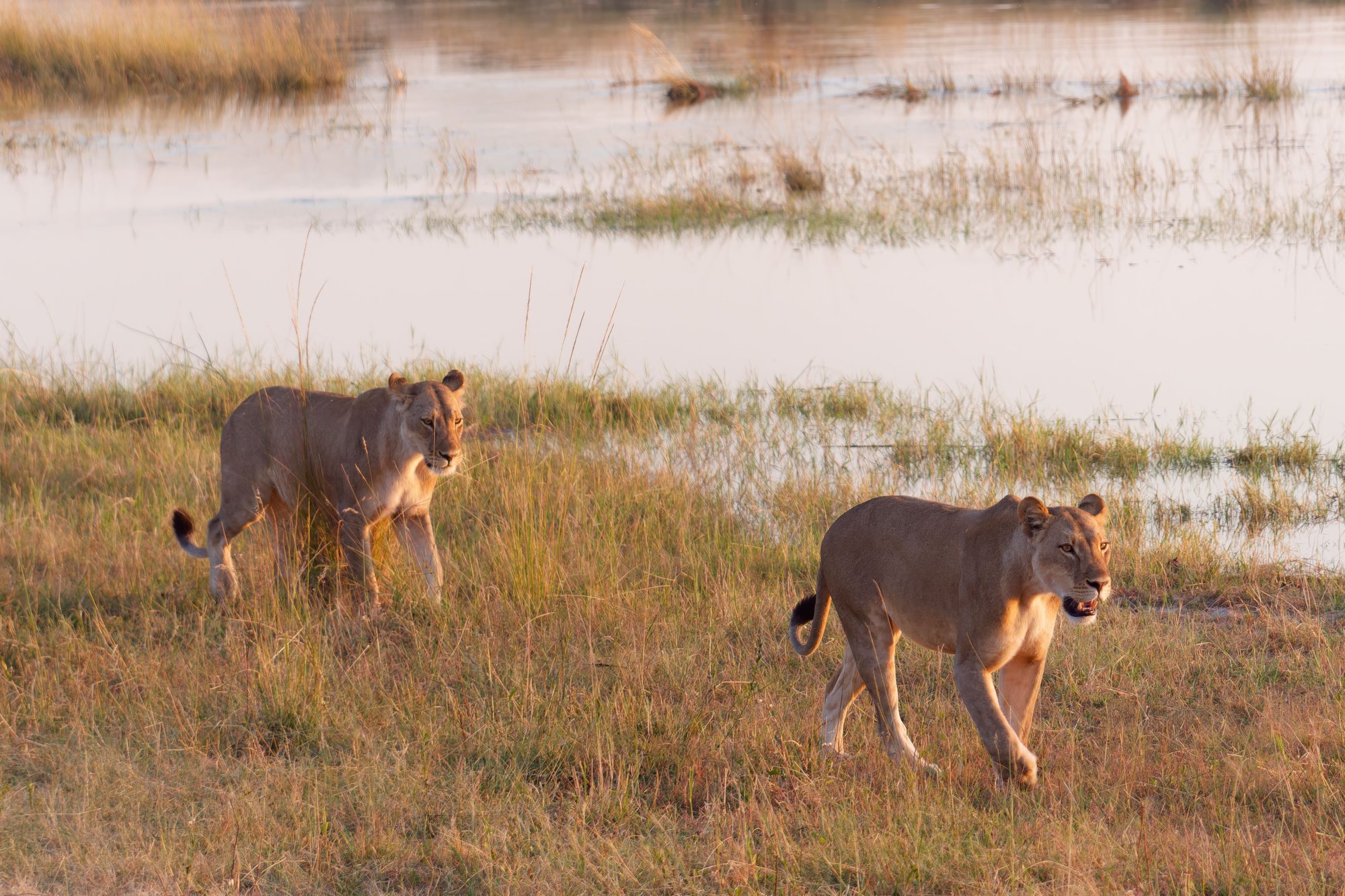
Three or four nights is the right amount, ideally split between a water camp and a land camp.
03
Chobe, the Linyanti and Savuti: Elephant Country
In the far north, Chobe National Park holds one of the largest elephant populations on earth. In the dry months, as the waterholes inland disappear, the herds walk to the Chobe River to drink. From August to October it is not unusual to see hundreds of elephants along the banks in a single afternoon, crossing the river, bathing and dusting themselves in the late light.

The riverfront is best seen from the water. A small boat lets you drift alongside elephants as they swim and sit quietly beside hippo and crocodile, with Namibia on the far bank. It is also the easiest corner of Botswana to reach, a short drive from Kasane airport and an hour from Victoria Falls.
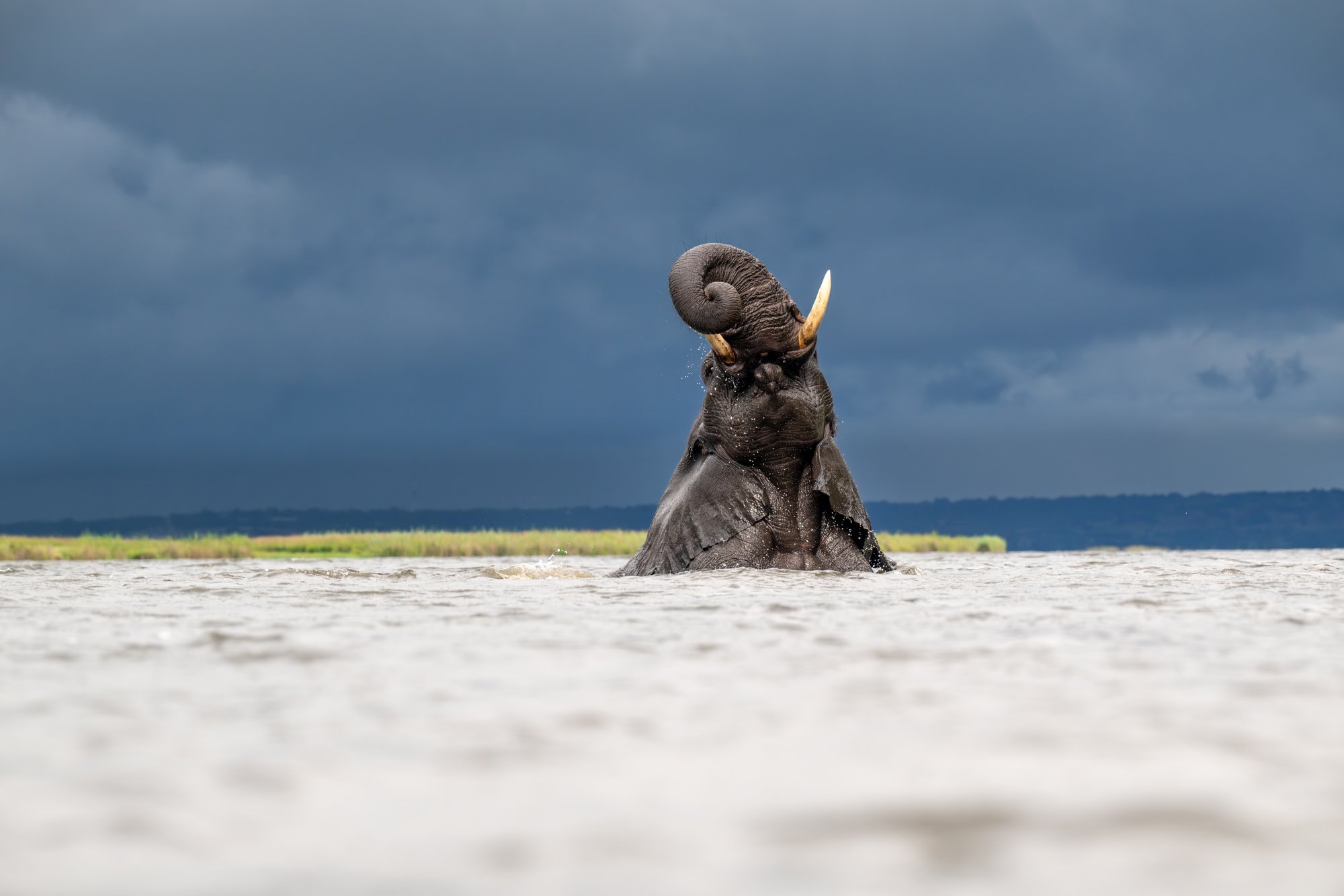
West of the river lie the Linyanti and Savuti, wilder and far quieter. The Linyanti is a network of private concessions on a river and marsh system, known for elephant, wild dog and big cats. Savuti, deep inside the national park, is famous for its lions and the dry channel that fills and empties over decades. Camps such as King’s Pool and DumaTau in the Linyanti give you the elephants of Chobe without the other vehicles.
“If someone loves elephants, I tell them to go in September. Sitting in a boat with a breeding herd crossing the river right in front of you is something people talk about for years.”
Alex · The Safari Edit
04
The Makgadikgadi Salt Pans: Botswana’s Other Side
South-east of the Delta, the Makgadikgadi Pans are the remains of a vast ancient lake, now a crust of salt that stretches further than you can see. It is a completely different safari, and many people say it is the part of Botswana they remember most.
The pans change completely with the seasons. When the rains come, roughly December to April, the grass returns and one of Africa’s great zebra migrations arrives, tens of thousands of zebra and wildebeest following the fresh grazing, with predators close behind. Nxai Pan, to the north, is at its best in these months.
In the dry months the salt is hard enough to cross. You can ride quad bikes out across the white surface, sleep out under the stars far from any light, and sit among a family of habituated meerkats as they climb onto your shoulders to look for danger. Camps such as Jack’s Camp, San Camp and Camp Kalahari are built for this.

Two or three nights here is a beautiful contrast after the water and greenery of the Delta.
05
When Is the Best Time to Visit Botswana?
Botswana is unusual because its regions peak at different times. Water arrives in the Delta in the dry season, elephants crowd Chobe at the end of the dry season, and the salt pans come alive in the rains. This is how the year looks.
Dec – MarThe green seasonRains in the afternoons and lush, green country. The zebra migration reaches the salt pans and Nxai Pan. Many animals give birth, birdlife is at its best, and camp rates are lower.
Apr – MayThe flood arrivesThe rains ease and the flood starts to spread across the Delta. The bush is still green, the light is clear and the camps are quiet.
Jun – AugHigh water, dry landThe Delta is at its fullest, the nights are cold and the days are clear. Game gathers around the water. The salt pans can be crossed by quad bike.
Sep – OctPeak dry seasonHot, dry and spectacular. Elephants crowd the Chobe River and game is at its most concentrated. The busiest and most expensive months.
NovThe first rainsHeat builds until the first storms. The water starts to recede, the zebra begin to move towards the pans, and the land turns green again.

Planning a trip? Our emails walk you through it, from when to go to where to stay. Join our email series
06
How to Put a Botswana Safari Together
Most of our guests combine two or three regions over eight to twelve nights. A classic route starts at Victoria Falls or Kasane for the Chobe River, flies on to the Okavango Delta, and ends on the salt pans before flying home from Maun. We have set it out night by night in our Botswana safari itinerary.
Botswana also pairs naturally with its neighbours. Victoria Falls, on the Zimbabwe and Zambia border, is an hour by road from Kasane. Cape Town makes an easy start or finish, with a short flight to Maun or Kasane via Johannesburg.
It works for couples on honeymoon, for groups of friends and for families with older children, though some camps have minimum ages for game drives and mokoro trips. Tell us who is travelling and we will match the camps to you.
07
Planning a Botswana Safari: The Practical Bits
- — Flights: There are no direct flights from London. Most go via Johannesburg to Maun or Kasane, both short flights from there.
- — Light aircraft: Camps are linked by small planes. Bags must be soft and the allowance is usually around 20kg each, including hand luggage.
- — Malaria: Northern Botswana, including the Delta and Chobe, is a malaria area. Speak to your GP or a travel clinic before you go, or read our malaria-free safari guide if you would rather avoid it.
- — Entry: UK passport holders can currently visit without a visa. Check the latest rules on GOV.UK before you book.
- — Cost: Botswana is one of Africa’s more expensive safari countries, by design. The season makes the biggest difference: the green season can cost far less than September and October.
For anything else, talk to us about your dates. We plan every Botswana safari around the people travelling and the month you go.
The last evening
On your last night, the plane drops you back in Maun and the Delta is behind you.
Somewhere out there the water is still moving south, a little further each day. The elephants are walking to the river. The salt is cooling under the stars.
Few places leave as quietly as Botswana, or stay with you for as long.
Plan it with us
Tell us when you’d like to travel. We’ll shape the rest.
Every Botswana safari we plan is shaped around your month and the people travelling. It costs nothing to talk.
Follow us on social
Connect with us for safari inspiration, advice and recommendations!